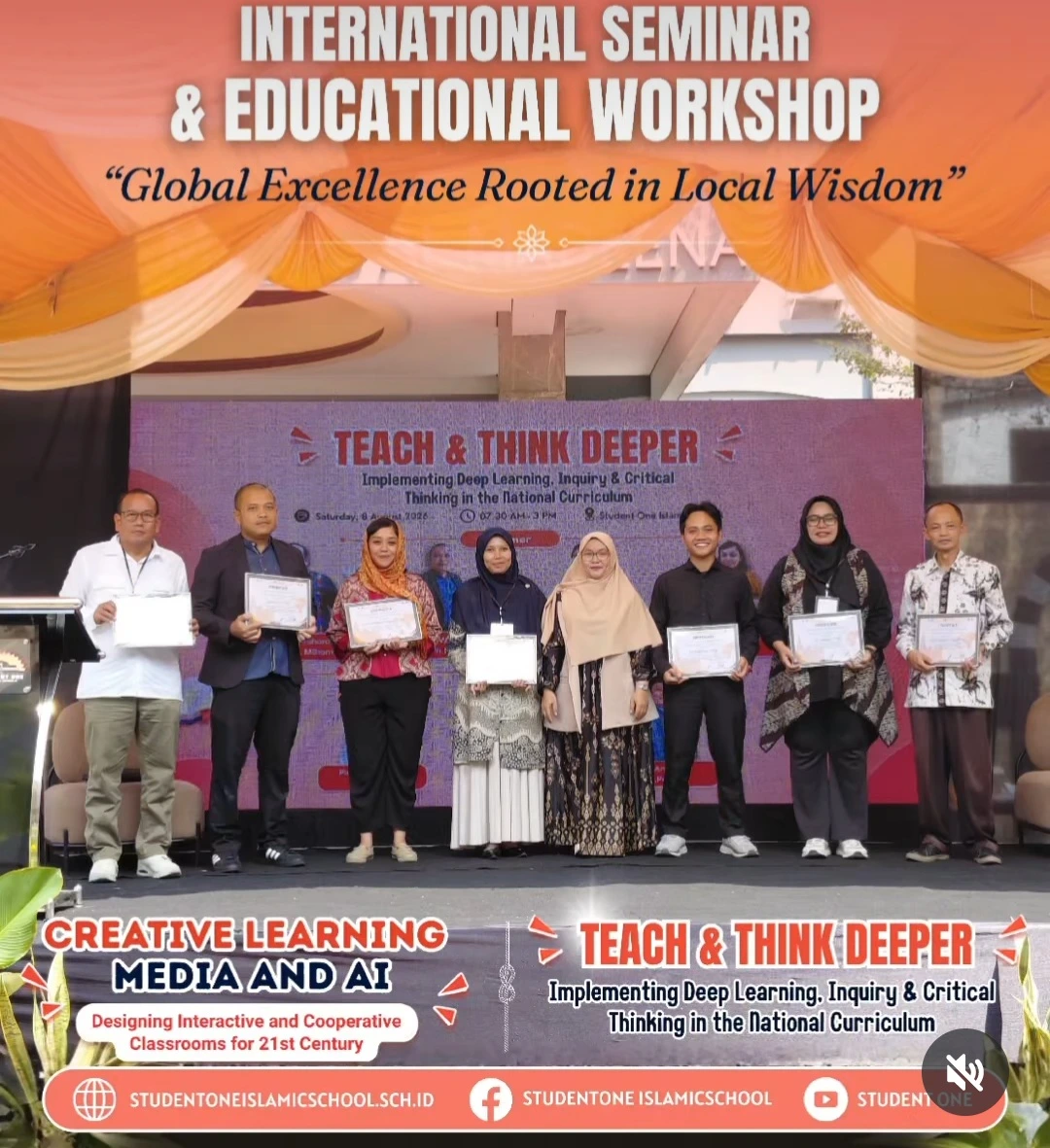
Practical Deep Learning for Teachers at Student One School
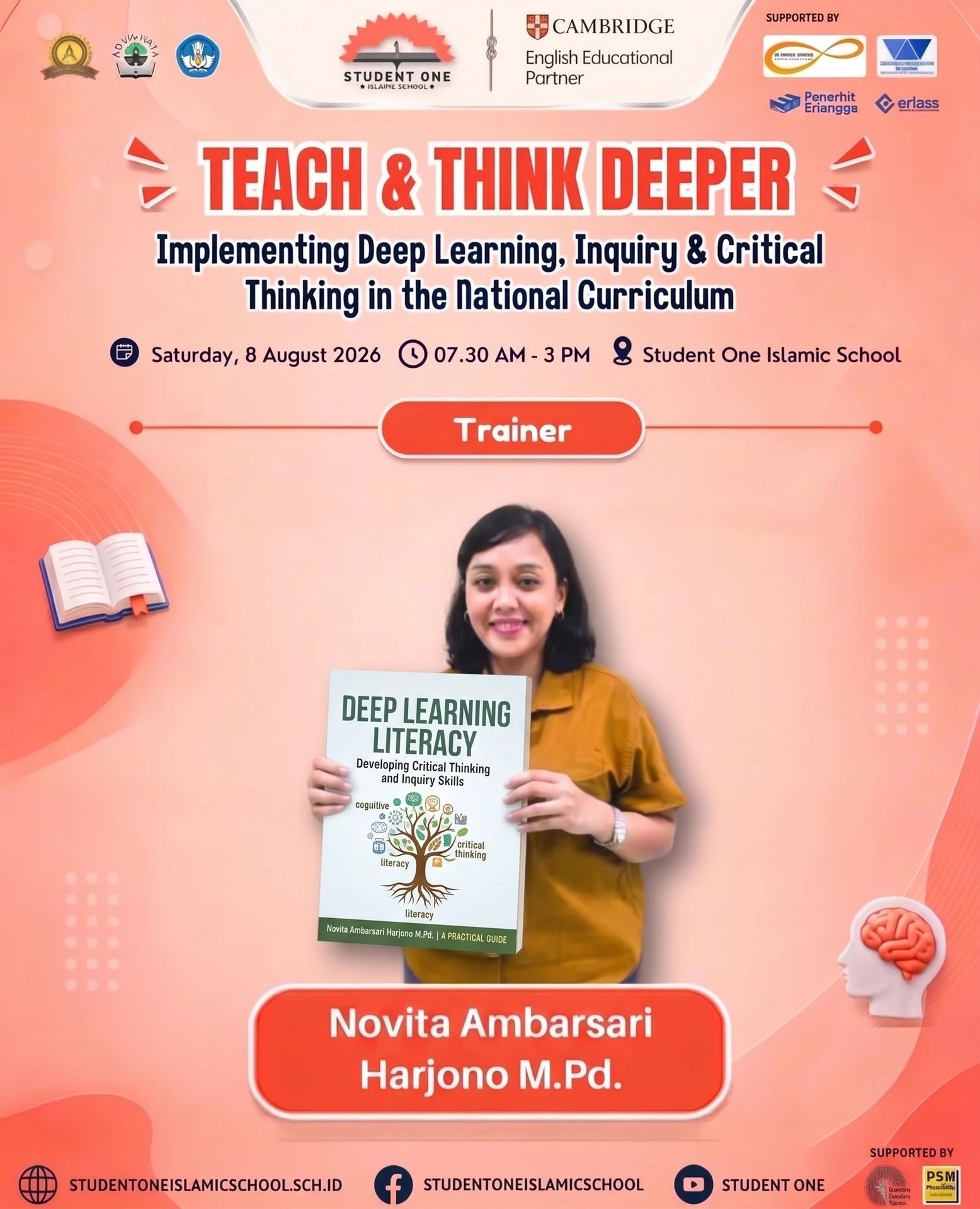
Teaching in Indonesia is shifting away from simple memorization toward long-term comprehension. To support this transition, William Soeryadjaya Academy (WSA) for Teaching Excellence conducted a workshop hosted by Student One School to help educators implement Deep Learning (Pembelajaran Mendalam), the student-centered approach backed by the Indonesian Ministry of Education, alongside Higher-Order Thinking Skills (HOTS) and the 5E Instructional Model.
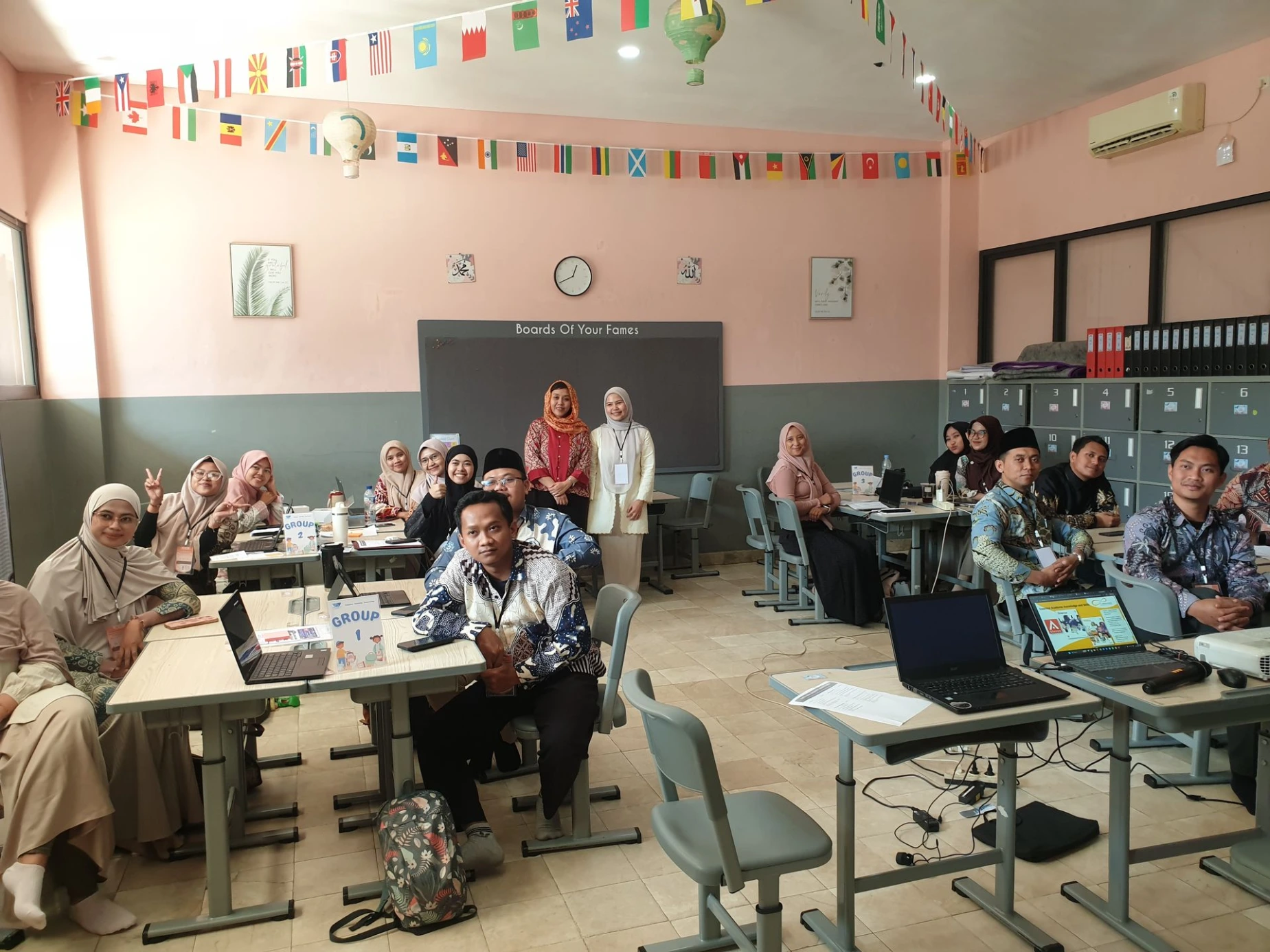
Around 60 participants attended, including teachers from Student One School, guest educators from South Tangerang and Bogor, and university students preparing for teaching careers.
What is Deep Learning?
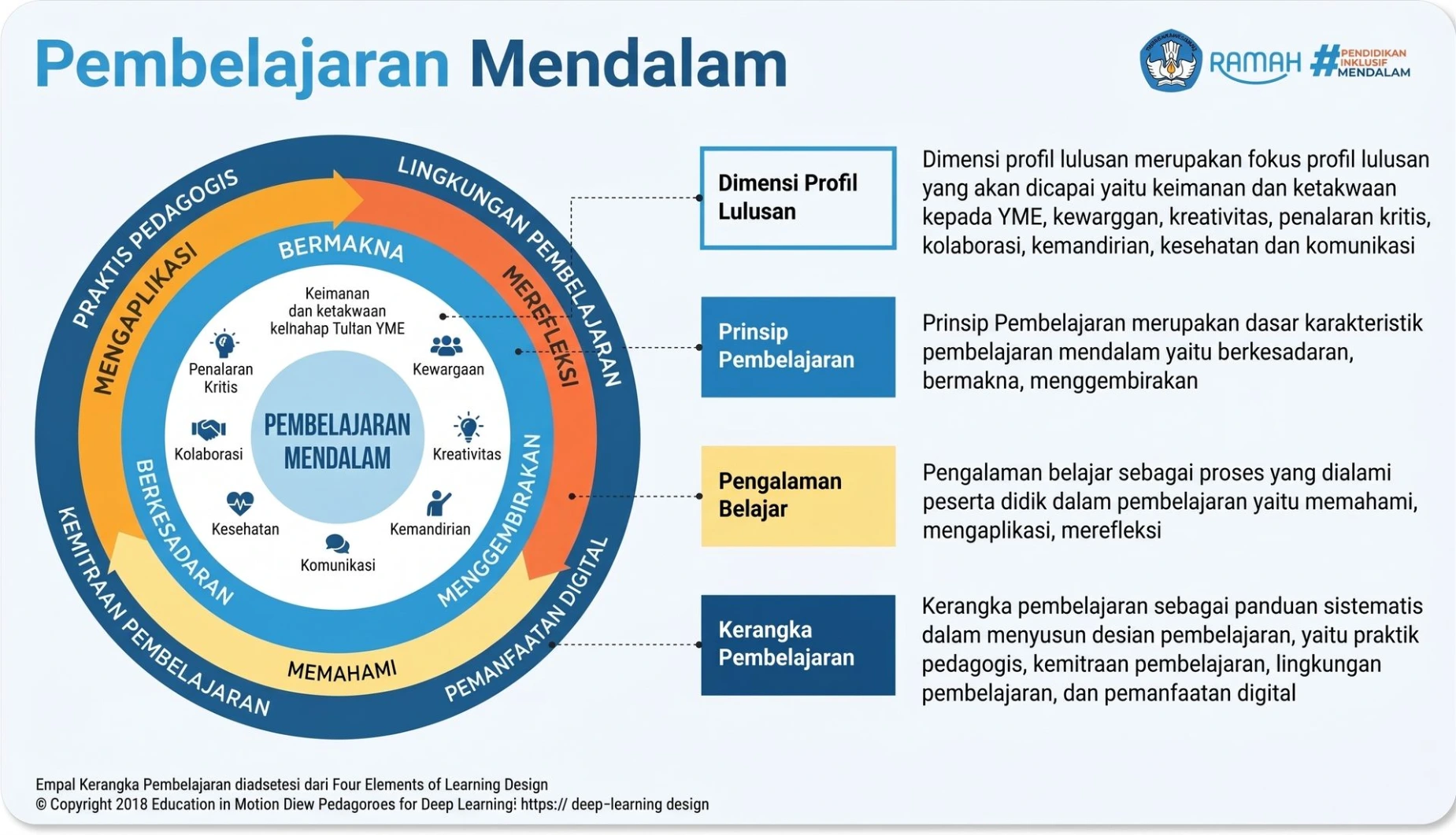
As defined in the workshop literature, Deep Learning is a transformative approach designed to develop Indonesia’s 8 Dimensions for Graduate Profile. These dimensions help students develop not only academic knowledge but also the skills, characters, and attitudes needed to succeed in life and contribute positively to society. The 8 Dimensions of the Graduate Profile are: Faith and Piety to God Almighty and Noble Character, Citizenship, Critical Thinking, Creativity, Collaboration, Independence, Communication, Physical and Mental Health.
The framework centers on three core elements:
Mindful (Berkesadaran) : Helping students stay focused, present, and actively engaged in their learning process.
Meaningful (Bermakna) : Connecting lesson content directly to real-world situations and prior experiences.
Joyful (Menggembirakan) : Building a positive environment that triggers intrinsic motivation.
When paired with HOTS (analyzing, evaluating, and creating), these principles ensure students move beyond shallow recall (Learning for remembering) to true understanding (Learning for understanding).
Integrating Deep Learning & 5E Model into a Lesson Plan (RPP / Modul Ajar)
The workshop demonstrates how to translate Learning Outcomes (Capaian Pembelajaran/CP) and Learning Objectives (Tujuan Pembelajaran/TP) into an actionable daily lesson plan (RPP/Modul Ajar). Participants explore how the 5E Model (Inquiry and Discovery) can be integrated with Socratic Questioning and the holistic Empat Olah approach namely: Olah Pikir, Olah Hati, Olah Rasa, and Olah Raga, to create meaningful, mindful, and joyful learning experiences.
Diagnostic Check & Contextual Design
Participants experience mini quizzes by identifying their prior knowledge, readiness, and learning needs through a diagnostic check.
Experiencing the 5E Learning Cycle with Socratic Questioning
Participants experience the learning process through the five stages of the 5E Model:
Engage – Mindful Opening
Mentimeter is used to spark curiosity and activate prior knowledge through interactive polls, word clouds, and open-ended questions. Participants recall and share what they already know, creating a meaningful starting point and making connections between prior knowledge and new learning.
Explore – Meaningful Discovery
Participants work collaboratively through hands-on investigations and activities. They gather information, examine examples, and analyse an exemplar Modul Ajar to identify how learning objectives, activities, and assessments can be aligned.
Explain – Developing Understanding
Participants use Socratic Questioning to deepen their understanding and develop critical thinking. The questioning focuses on three key areas:
Clarification : Helping to articulate, explain, and develop their ideas clearly.
Testing Assumptions : Encouraging to identify and examine the assumptions underlying their thinking.
Evidence and Reasoning : Guiding to support their ideas with relevant evidence and logical reasoning.
Elaborate – Applying HOTS
Participants apply what they have learnt and use Bloom’s Taxonomy action verbs to strengthen and refine their Modul Ajar. They focus particularly on designing learning experiences that foster higher-order thinking skills, including C4 (Analysis), C5 (Evaluation), and C6 (Creation).
Evaluate & Reflect (Joyful Synthesis)
Participants evaluate their learning through self-reflection. They identify key insights, connect them to their professional practice, and reflect on how the learning can be transferred to their own classroom contexts. This process helps participants consolidate their understanding and identify meaningful next steps.
Formative Assessment
- Assessment is embedded throughout the workshop rather than being limited to the end of the session. Participants experience formative assessment at different stages of the learning process.
- At the beginning, an interactive quiz activates prior knowledge and provides a diagnostic check of participants’ readiness.
- In the middle of the session, participants critically review an exemplar Modul Ajar, engage in collaborative analysis, and practice Socratic questioning during presentations. These activities provide opportunities for participants to demonstrate their understanding and receive feedback.
- At the end of the session, participants reflect on their professional practice, identify areas for improvement, and develop action steps for applying their learning in future lesson planning and classroom practice.
- Through this integrated approach, participants do not simply learn about the 5E Model, Deep Learning, and Socratic Questioning; they experience the learning process as learners and apply it as lesson designers, enabling them to translate the concepts into meaningful and practical classroom experiences.
Hands-On Practice and Regional Collaboration
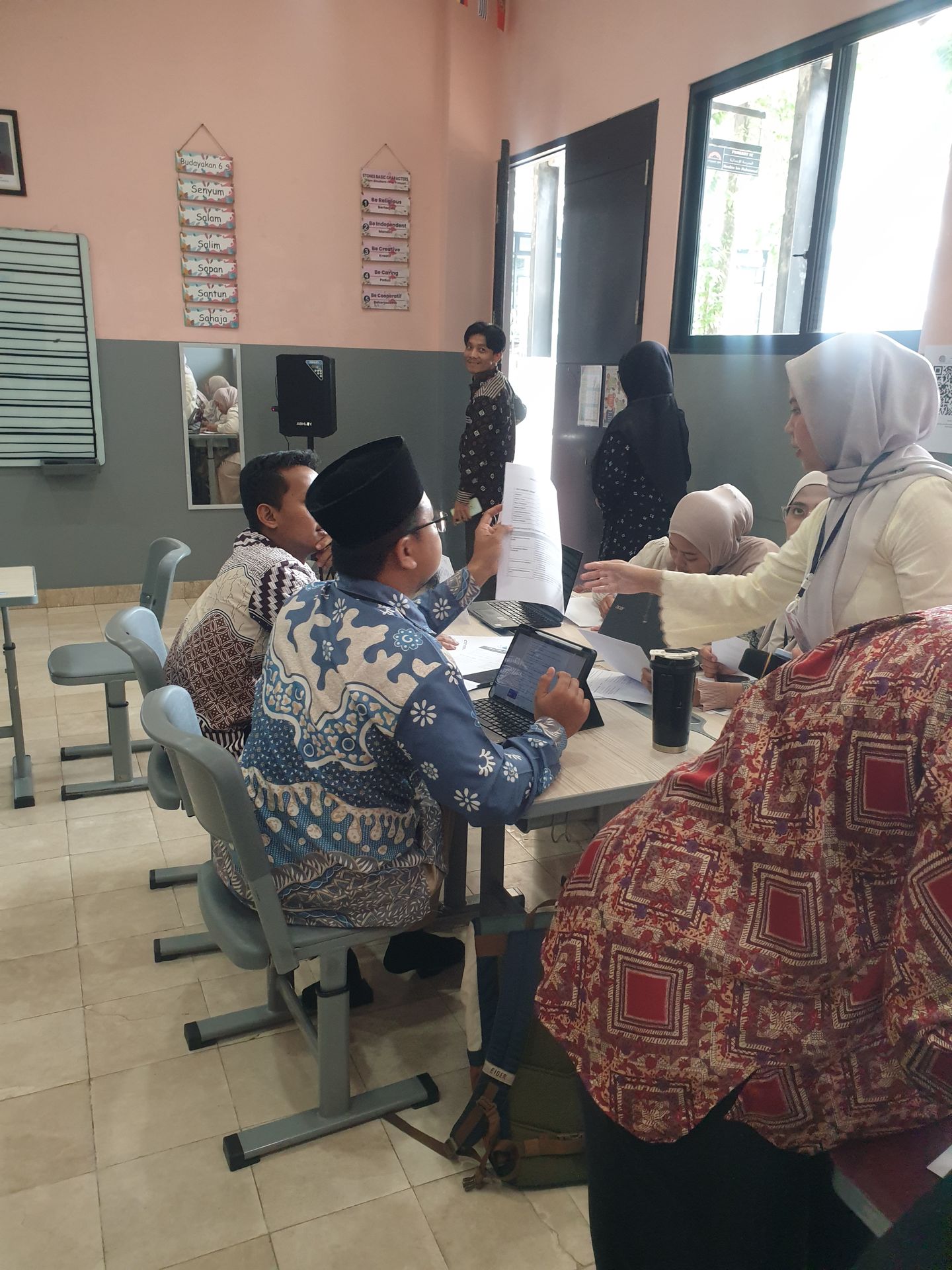
The session stayed focused on translating theory into practical classroom routines. Teachers stepped into the role of students to test out the strategies firsthand, practicing Socratic dialogue, they also reflected on their teaching practices and applied what they learned to improve their classroom practice and lesson design.
Beyond mastering techniques, the event served as a collaborative bridge between active teachers and future educators across South Tangerang and Bogor. By the end of the day, all 60 participants left Student One School with concrete lesson templates, tested strategies, and clear steps to build more engaging, inquiry-driven classrooms.