From Learning to Doing: Bringing Active Learning into the Classroom
What happens when teachers come together not just to learn, but to question, practice, share, and reflect on their own teaching practices?
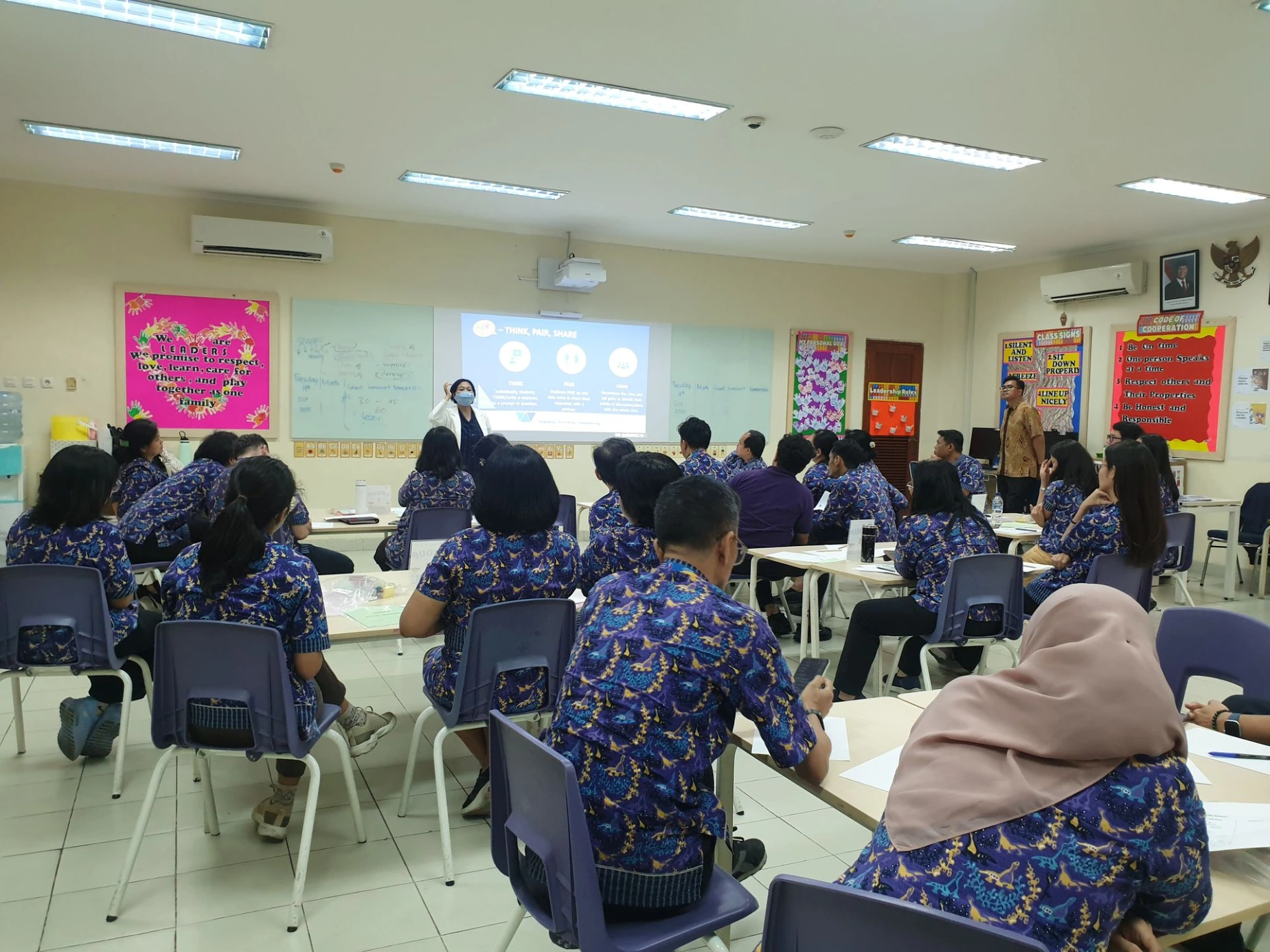
From August 2025 to April 2026, William Soeryadjaya Academy (WSA) had the opportunity to explore this question through the The Classroom Alive Workshop at Sekolah Perkumpulan Mandiri (SPM) engaged approximately 65 teachers through a one-year professional learning attachment comprising eight sessions, with a focus on strengthening active learning practices. The year-long engagement provided teachers with a sustained opportunity to explore, practise, reflect on, and apply active learning strategies in their classrooms.
Rather than being a one-off workshop, the programme was designed as a continuous learning experience, with eight sessions held once a month from August 2025 to April 2026. This structure gave teachers time to explore new ideas, try them in their classrooms, reflect on their experiences, and return to the next session ready to learn from one another.
Eight Sessions, One Continuous Learning Journey
The Classroom Alive Workshop was built around the idea that meaningful professional learning takes time.
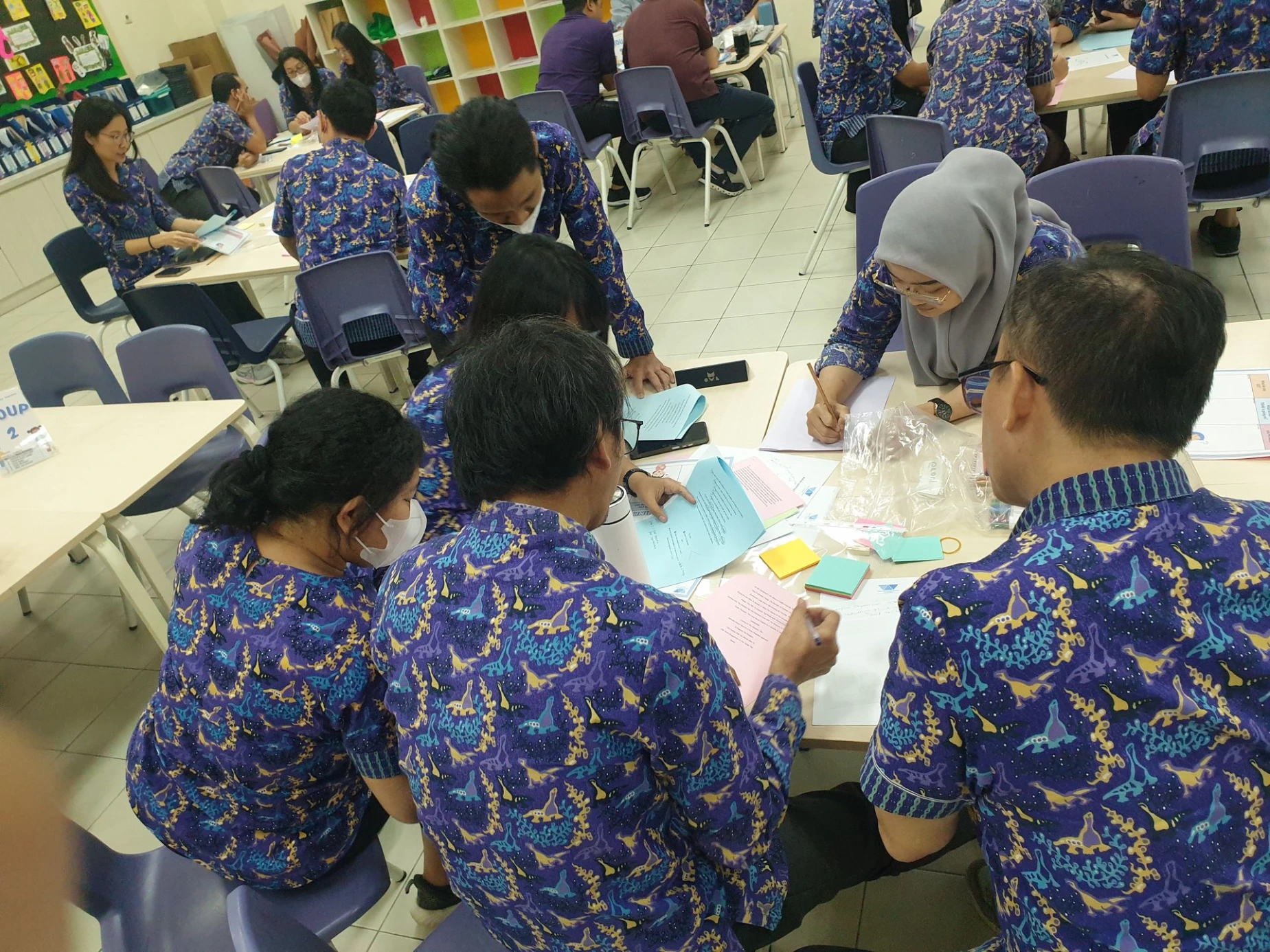
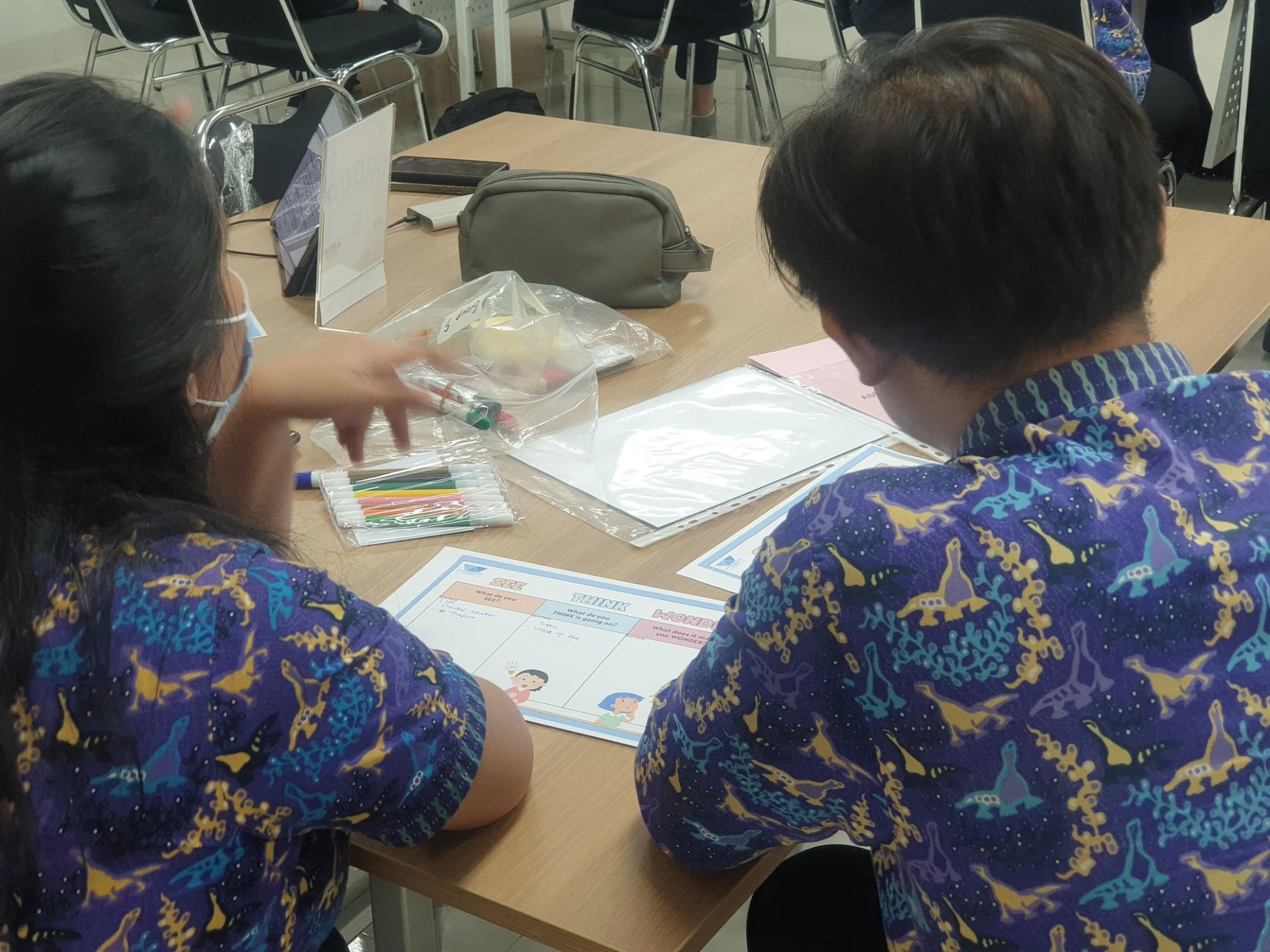
Across eight sessions, teachers were introduced to different approaches to making learning more active, engaging, and student-centred. Each session provided opportunities to connect ideas with classroom practice through discussion, hands-on activities, collaboration, and reflection.
The monthly structure also allowed teachers to take their learning beyond the workshop room. Instead of simply learning a new strategy and moving on, teachers could consider:
How might this work in my classroom? What happened when I tried it? What could I do differently next time?
These reflective questions became an important part of the learning journey.
The Flipped Learning Approach
One of the approaches incorporated into the programme was flipped learning.
Through flipped learning, teachers engaged with selected materials or resources before coming to the workshop. This meant that valuable face-to-face time could be used less for simply delivering information and more for discussion, collaboration, practice, and reflection.
The approach encouraged teachers to arrive prepared to participate and contribute. It also reflected an important principle of active learning itself: learning becomes more meaningful when participants are given opportunities to take ownership of the process.
In many ways, the teachers experienced the same kind of learning environment they were being encouraged to create for their own students.
Learning from One Another
Another important part of the eight-session journey was the opportunity for teachers to learn from each other.
Every classroom is different, and teachers bring different experiences, challenges, and perspectives. By sharing what happens in their classrooms, teachers were able to consider different approaches and reflect on their own practice.
These conversations created space for teachers to ask questions, exchange ideas, and recognise that professional growth does not always come from having the perfect answer. Sometimes, it comes from being willing to reflect, share, collaborate, and try again.
Small Changes, Meaningful Transformation
Throughout the workshop, teachers explored how small changes in classroom practice can create more opportunities for students to take an active role in their learning.
Strategies such as effective questioning, collaborative activities, discussion, reflection, and increased student participation can help shift the classroom dynamic.
The focus was not on adding more complicated activities or completely redesigning lessons. Instead, teachers were encouraged to think about how they could create more meaningful moments for students to think, participate, collaborate, and take ownership.
The ultimate goal of the Classroom Alive Workshop was not simply for teachers to understand the concept of active learning. It was to support them in bringing active learning into their everyday classrooms.
The strategies explored throughout the programme were intended to be practical and adaptable. Teachers could consider how they might apply them across different subjects, age groups, and classroom contexts.
Through the Classroom Alive Workshop, William Soeryadjaya Academy was proud to support approximately 65 teachers in taking steps towards creating more active, engaging, and meaningful learning experiences.
The journey may have taken place across eight sessions, but the hope is that the learning continues well beyond April 2026. One classroom, one teacher, and one active thinker at a time.